Tamil Nadu Pushes Decentralised Solar as TNERC Approves 420 MW KUSUM-C Tender
Renewable Energy Solar ProjectsPosted by admin on 2026-01-29 07:09:55 |
Share: Facebook | Twitter | Whatsapp | Linkedin Visits: 41
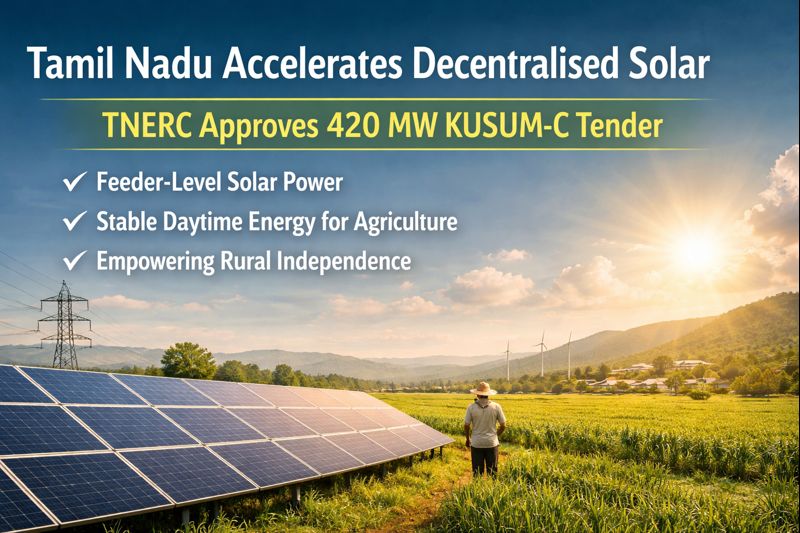
Policy Review: Tamil Nadu Advances Feeder-Level Solar Through KUSUM-C
Strong Transition Toward Decentralised Renewable Power
TNERC’s approval of the 420 MW scheme marks a strong push toward distributed solar infrastructure. With 0.5–2 MW units being installed near agricultural feeders, the state is moving toward:
- Reduced transmission losses,
- Improved feeder stability,
- Assured daytime energy for agriculture,
- More localised renewable generation.
This trend shows a clear policy preference for decentralised solar as a foundation for Tamil Nadu’s future power mix.
Reliable Investment Environment for Solar Developers
The KUSUM-C tender enables developers to benefit from:
- Long-term PPAs,
- Fixed feed-in tariffs,
- Guaranteed power offtake by DISCOM,
- Minimal market uncertainties.
This provides strong financial visibility, encouraging small developers, EPC contractors, and landowners to participate confidently in feeder-level solar development.
Openings for EPC, O&M, and Regulatory Execution Partners
As hundreds of smaller solar plants come online, the demand increases for:
- Land identification and feasibility work,
- End-to-end EPC and construction,
- TNEB/TANGEDCO approvals and liaisoning,
- Metering, SCADA, and grid connectivity,
- Performance monitoring and O&M,
- Energy settlement & compliance management.
This creates substantial opportunities for technically strong, execution-focused companies with deep regulatory understanding.
Implications for Tamil Nadu’s Future Renewable Landscape
The move toward distributed generation has long-term benefits for the state, including:
- Improved agricultural supply reliability,
- Enhanced renewable penetration,
- Reduced stress on transmission networks,
- Rural energy resilience,
- A strong foundation for hybrid & storage systems in the future.
This aligns with Tamil Nadu’s broader clean energy objectives and strengthens its renewable ecosystem.
Conclusion
The approval of the 420 MW KUSUM-C program demonstrates that decentralised solar is no longer a supplementary approach—it is becoming central to Tamil Nadu’s renewable strategy, especially for stabilising feeder loads and empowering rural infrastructure.
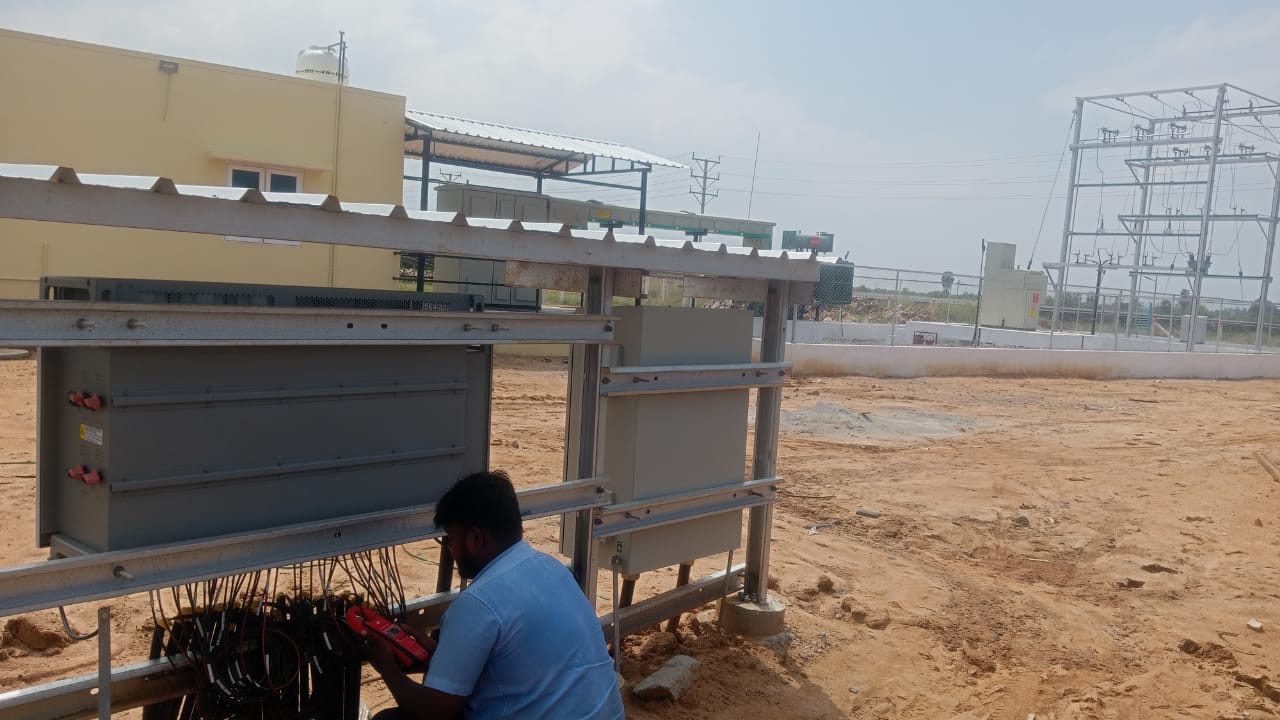
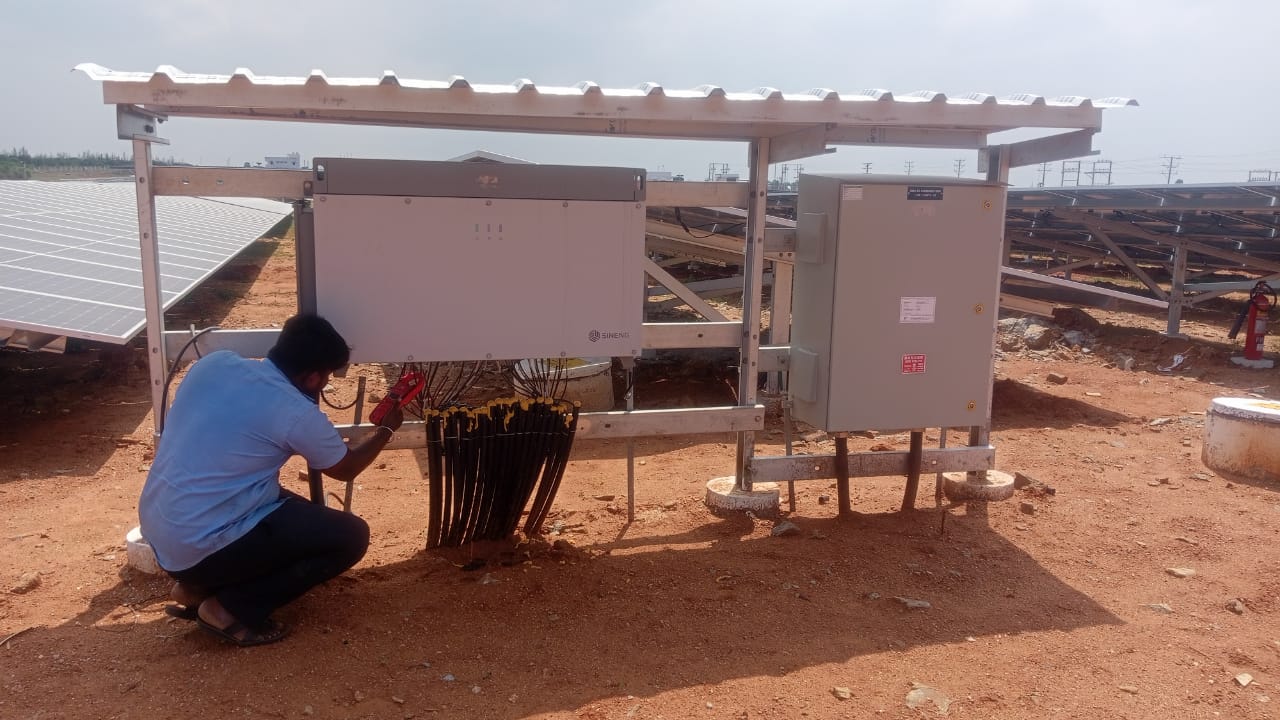
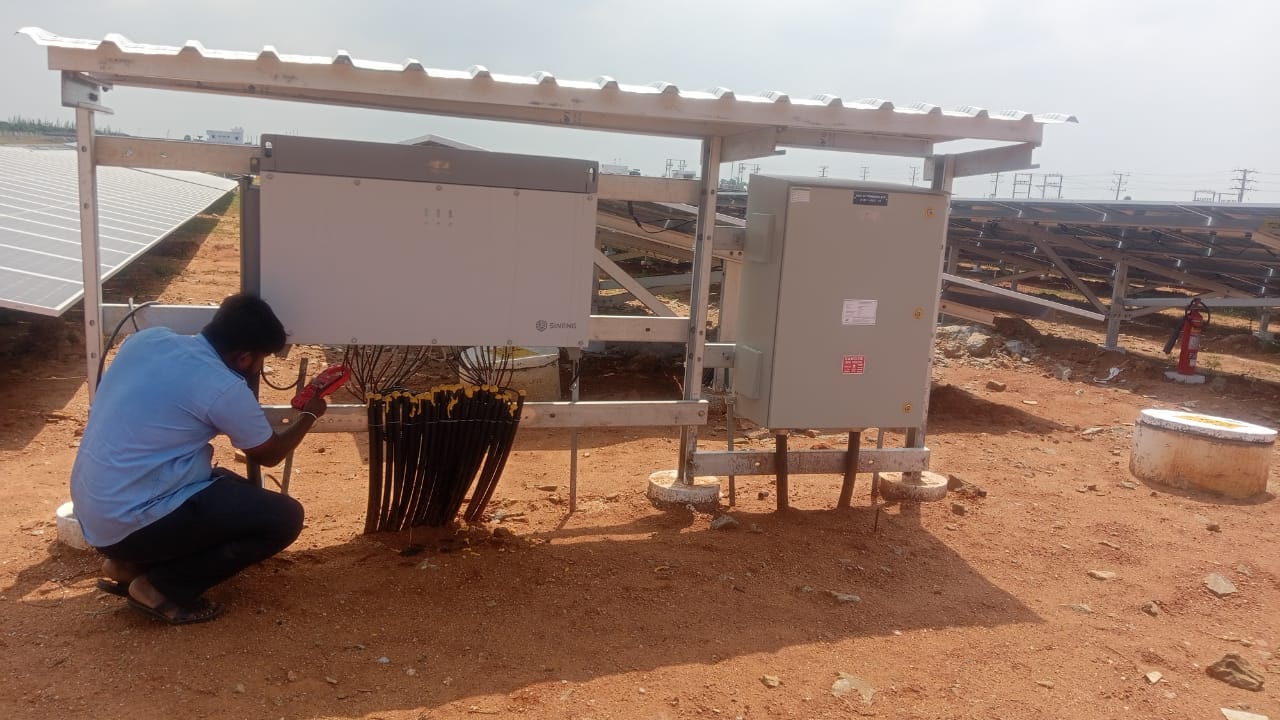
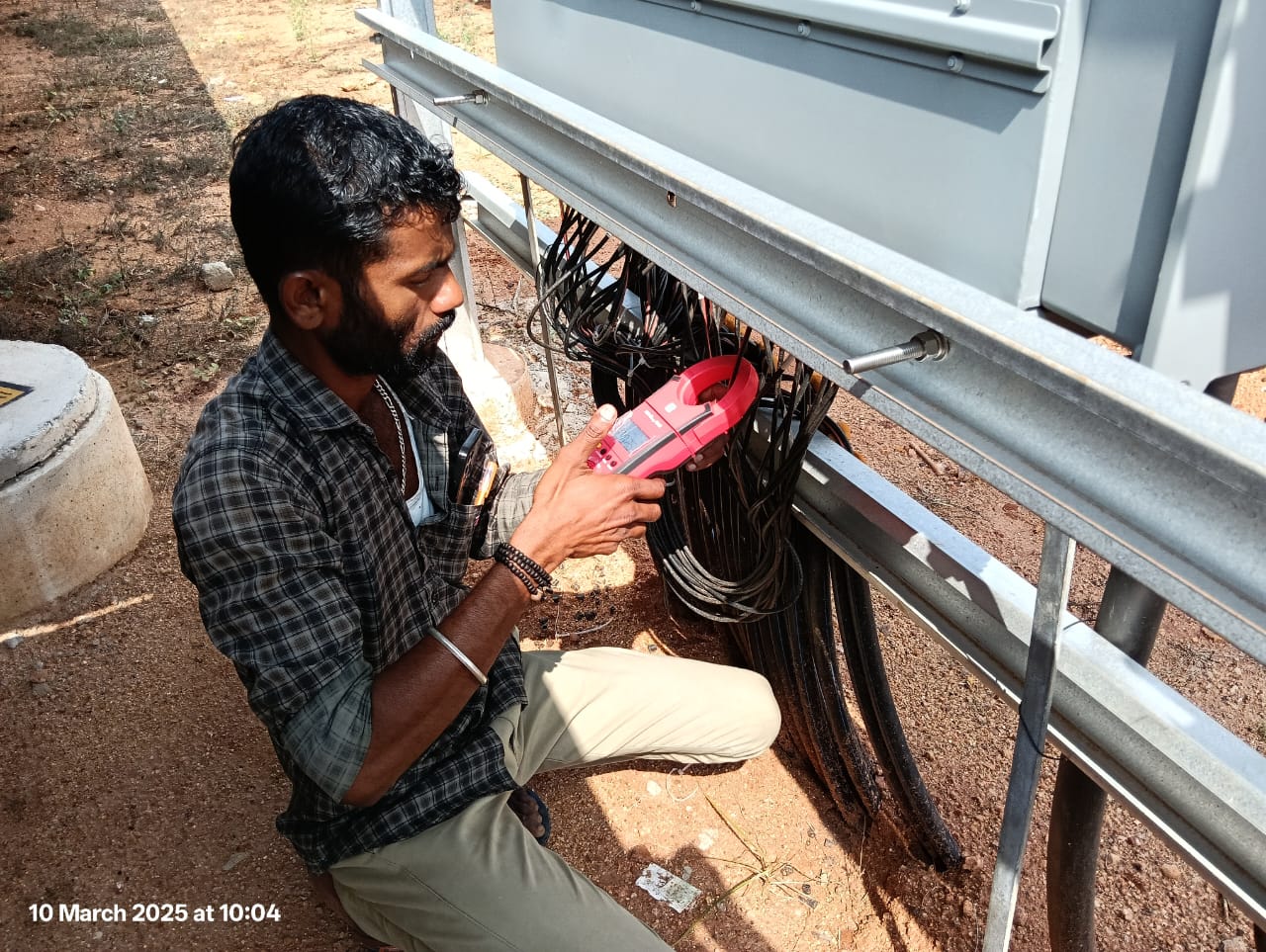
eClouds Eyarthi fully supports this shift. We handle everything needed to set up small and feeder-level solar projects: finding land, designing and building the plant, getting all approvals, installing meters and monitoring systems, and maintaining the plant long-term. With our experience and on-ground support, we help developers, investors, and landowners create reliable, sustainable, and rule-compliant solar projectsmaking the whole process easy, safe, and efficient while supporting Tamil Nadu’s renewable energy goals.
Search
Categories
Recent News
- Reduction of Cross Subsidies in Karnataka's Electricity Sector
- Economic Benefits of Solar Power Projects
- Karnataka Open Access Rules and Regulations
- eclouds
- Small Hydel Policy 2024
- India’s Renewable Energy Milestones: 2024
- eClouds Eyarthi's AMC on Solar Projects
- Reduction of Cross Subsidies in Karnataka's Electricity Sector